
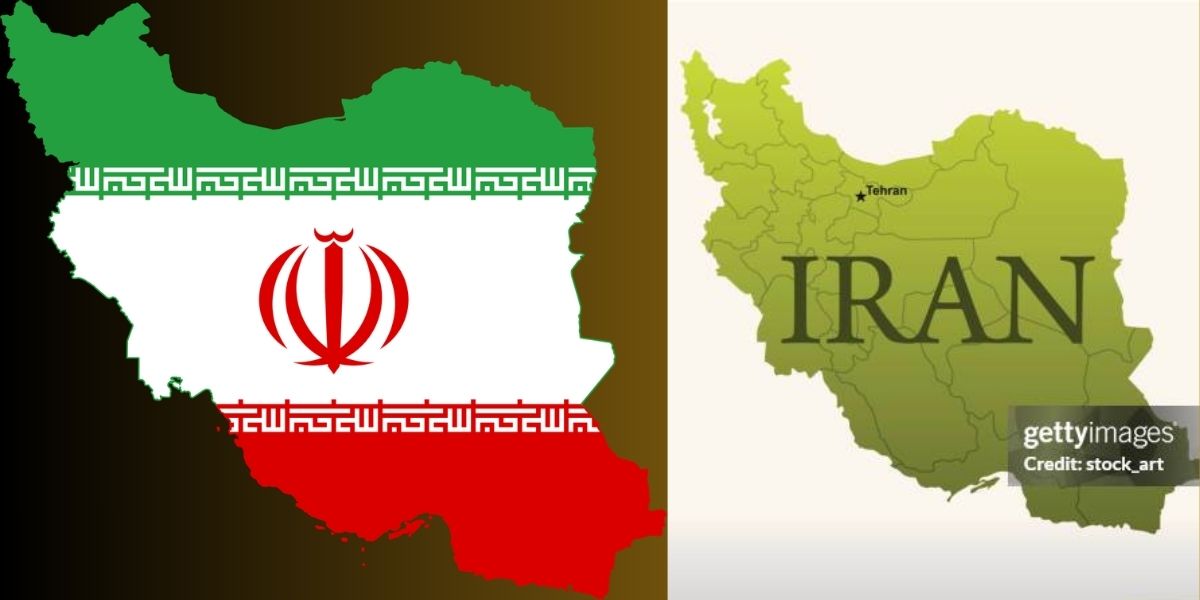
Iran Map: An iran map is more than a shape on a page. It’s a quick visual way to understand why Iran connects Central Asia, the Caucasus, the Middle East, and the Indian Ocean world—and why its terrain, deserts, and coastlines shape everything from travel routes to trade corridors and security calculations.
This guide breaks down an iran map in the way professionals actually use it: by reading borders and coasts first, then terrain and climate zones, then provinces and major cities, and finally the “strategic pinch points” that show up in shipping and aviation planning. Along the way, you’ll pick up practical map-reading cues you can use whether you’re studying geography, planning a trip, or simply trying to interpret regional headlines.
Where Iran Sits on the Map and Why Its Position Is Unique
On an iran map, the first thing to notice is adjacency: Iran touches multiple regions at once—Europe’s edge via Turkey, the Caucasus via Armenia and Azerbaijan, Central Asia via Turkmenistan, South Asia via Pakistan and Afghanistan, and the Arab world via Iraq and maritime neighbors across the Persian Gulf. This “crossroads” position is a core reason Iran’s geography is so geopolitically consequential.
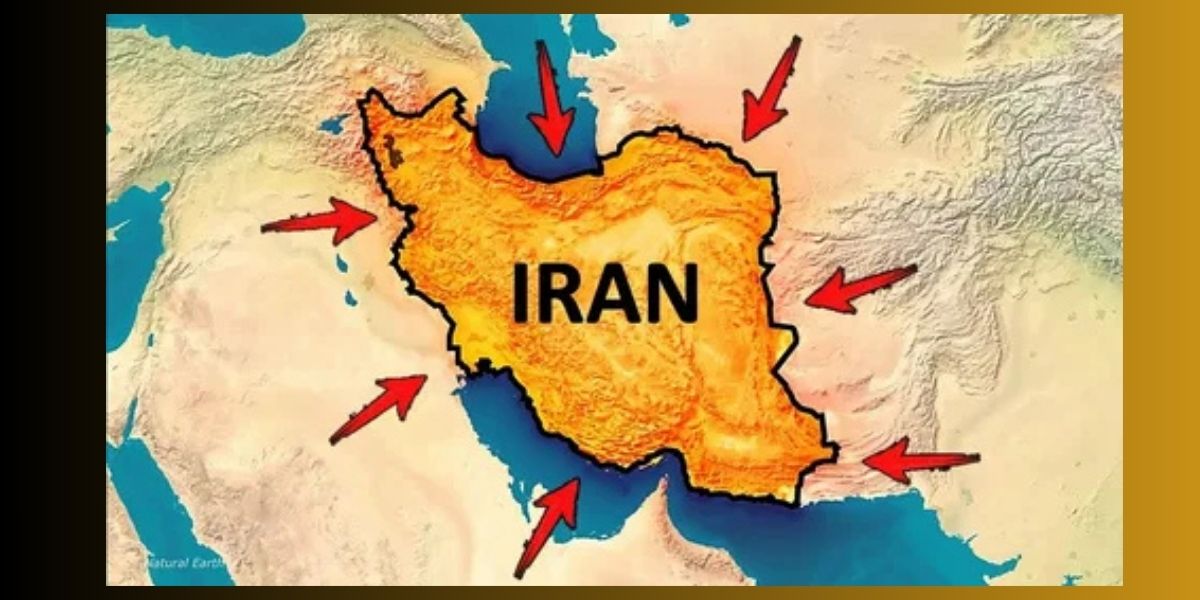
A second feature is the dual-water orientation. Iran borders the Caspian Sea to the north and the Persian Gulf and Gulf of Oman to the south, giving it a north–south geographic logic that shows up in trade, energy, and transportation planning. When you read an iran map with this lens, you start seeing Iran less as a single block and more as a bridge between basins and corridors.
Borders and Neighboring Countries on an Iran Map
A high-quality iran map should clearly label Iran’s land borders with Iraq and Turkey to the west; Armenia, Azerbaijan, and Turkmenistan to the north; Afghanistan and Pakistan to the east. These borders aren’t just labels—they indicate cultural regions, trade links, and in many cases mountain barriers or desert transitions that affect movement and settlement patterns.
It also helps to recognize that Iran has maritime boundaries across the Persian Gulf with states such as Kuwait, Saudi Arabia, Bahrain, Qatar, the United Arab Emirates, and Oman. So when someone says “Iran’s neighbors,” an iran map reminds you that several of Iran’s most important connections are across water, not only across land.
Coastlines, Seas, and the Strait of Hormuz
If you’re studying an iran map for real-world relevance, focus on the south. Iran’s coastline along the Persian Gulf and the Gulf of Oman connects directly to global shipping lanes, and the Strait of Hormuz is the standout chokepoint where geography and maritime economics collide. Even on a basic map, you should be able to spot how close Iran’s southern coastline sits to the route linking Gulf exporters to the Arabian Sea.
A practical reading tip: when maps show ports like Bandar Abbas or coastal provinces like Hormozgan, they’re hinting at logistics reality—container traffic, energy infrastructure, and naval posture often cluster there because the map makes those locations strategically “inevitable.” An iran map turns that from an abstract idea into a visible, intuitive fact.
Relief and Terrain: Mountains That Define the Country
The most important physical feature on an iran map is the mountain architecture. Iran’s interior plateau is bounded by major ranges, especially the Zagros Mountains to the west and the Alborz Mountains to the north, creating natural barriers that influence climate, agriculture, and settlement. If your map includes shaded relief, these ranges should stand out immediately as the “spine” that shapes the country.
This is why a purely political iran map can feel incomplete: without terrain, you can’t easily explain why some regions are densely populated while others are sparse, or why roads and rail lines follow certain corridors. Once you overlay mountains on provinces and cities, the country’s patterns—where people live, where trade moves, where water is captured—make far more sense.
Deserts and the Interior Plateau: Reading Empty Space Correctly
On an iran map, the large “empty” interior is not empty at all—it’s structured by arid zones and deserts that shape land use. Two famous names often appear on physical maps: Dasht-e Kavir and Dasht-e Lut. They help explain why many long-distance routes bend around deserts and why urban clusters often align with mountain foothills and historic water management systems.
The interior plateau also changes how you interpret distance. A straight line on an iran map might be geographically long but logistically harder if it crosses desert basins or highland transitions. For travel planning, business logistics, or academic work, this is the difference between seeing Iran as a flat polygon and understanding it as a country where terrain sets the rules.
Provinces and Administrative Divisions on an Iran Map
Most users searching iran map want provinces. Iran is subdivided into thirty-one provinces (ostan), and a good administrative map will show provincial boundaries and capitals. Provincial maps are useful because governance, public services, and local economies often organize at this level—especially for statistics, travel permits, and regional development reporting.
A practical tip is to pair a province map with a terrain map. Provinces like those along the Zagros belt read differently once you see the mountains, while coastal provinces read differently once you see port access. Using an iran map this way helps you understand why “neighboring provinces” can still feel worlds apart in climate, culture, and connectivity.
Major Cities: How Urban Iran Appears on the Map
In most iran map searches, people also want a quick city hierarchy. Tehran anchors the north-central belt and functions as the political and administrative core, while other major cities align with historical trade routes and regional resource bases. A city map that includes highways and rail lines will show you that Iran’s biggest urban nodes aren’t randomly distributed; they follow geography’s logic.
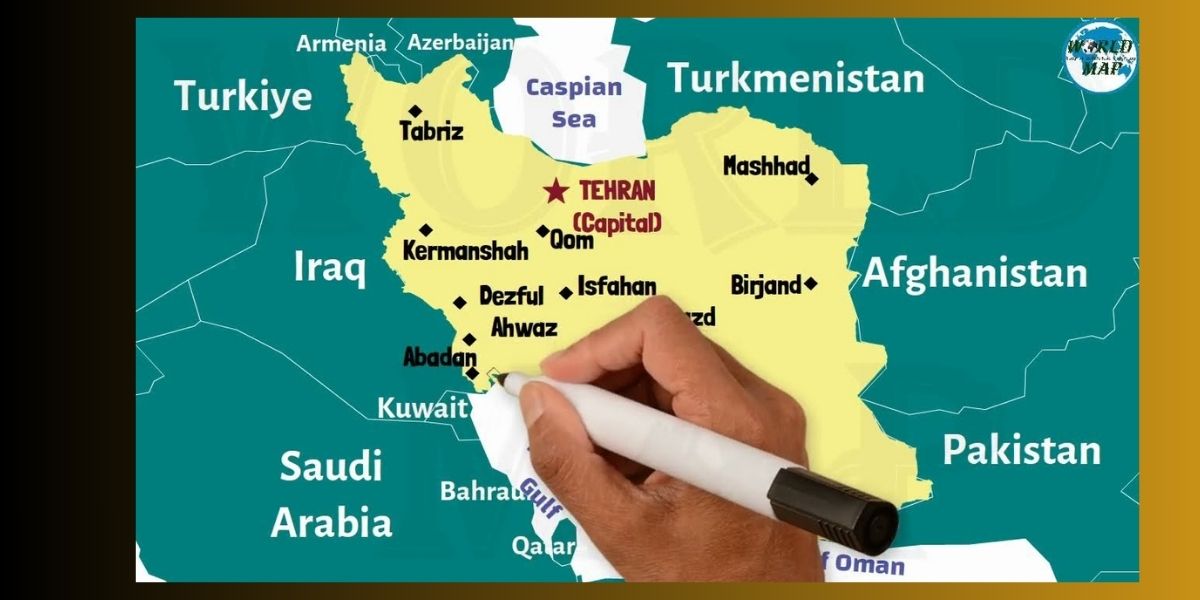
To read cities well, look for clusters near mountains and along corridors between basins. Urban concentration tends to appear where water access, elevation, and connectivity intersect. When you start using an iran map to connect cities with terrain and transport lines, you’re essentially doing the same integration planners and analysts do—just at a simpler scale.
A Map-Layer Table: Which Iran Map to Use for Which Task
Choosing the right iran map depends on your goal. Political maps help with borders and provinces, while physical maps explain terrain-driven realities. The table below gives a quick “use-case” guide you can apply immediately.
| Map Type | What It Shows Best | When It’s the Right Choice | Common Mistake to Avoid |
|---|---|---|---|
| Political map | Borders, countries, major cities | Quick regional orientation, neighbors | Ignoring terrain constraints |
| Administrative/province map | Province boundaries, capitals | Research, stats, local planning | Assuming provinces match climate zones |
| Physical/relief map | Mountains, plateaus, deserts | Understanding routes, water, settlement | Overlooking administrative realities |
| Transport map | Roads, rail, key corridors | Travel, logistics, supply chains | Treating all roads as equal quality |
| Maritime map | Coasts, ports, straits | Shipping, energy, security context | Missing chokepoints like Hormuz |
A high-value workflow is to stack these layers: start with a political iran map for orientation, switch to relief to understand terrain, then return to provinces and transport for the practical story. That layered approach prevents the most common misunderstanding—thinking that borders alone explain how the country works.
Strategic Geography: Why Iran’s Map Shows Up in Global Briefings
Even if your interest is purely geographic, an iran map often appears in global briefings because the country sits beside critical waterways and regional corridors. The Strait of Hormuz, in particular, is frequently discussed as a strategic waterway linking Gulf oil producers to the Gulf of Oman and the Arabian Sea, which is why shipping advisories and naval updates can become headline events.
This doesn’t mean every map question is a politics question. It means the geography is inherently consequential. When you read an iran map with this in mind, features like coastlines, ports, and narrow passages stop being trivia and become explanations for why global attention concentrates on specific points along the southern edge.
Common Iran Map Confusions and How to Avoid Them
A frequent confusion in iran map searches is mixing up similar regional terms: Persian Gulf vs Gulf of Oman, Caspian Sea vs inland lakes, or assuming “north Iran” is uniform when it spans multiple ecological zones. The fix is simple: use a map that labels water bodies clearly and includes either relief shading or climate context so “north” and “south” aren’t just directions, but environments.
Another confusion is treating straight-line distances as travel time. Iran’s terrain—mountain belts and desert basins—means routes curve and speeds vary dramatically. If you’re using an iran map for planning, always check whether your map includes major roads and elevation context; it will save you from the most common “it looked close on the map” mistake.
Conclusion: How to Use an Iran Map Like a Pro
The best way to use an iran map is to stop treating it as a single image and start treating it as a set of layers. Borders and provinces explain governance and identity; relief and deserts explain movement and settlement; coasts and straits explain trade and strategic relevance. When you combine them, Iran’s internal logic becomes clear in minutes.
If you take one practical takeaway, let it be this: whenever you’re confused by a location, switch map types. Pair a province map with a relief map, then check transport corridors. That workflow turns an iran map from a static picture into a tool for understanding how the country functions on the ground.
FAQ: Iran Map
What should a good iran map include for beginners?
A good iran map for beginners should show neighboring countries, major seas, and key cities, ideally with a simple relief layer so you can see mountain belts that shape routes and climate.
How many provinces should I see on an iran map of provinces?
An iran map of provinces should show thirty-one provinces, each with a provincial capital marked or labeled for quick reference.
Why do physical features matter when reading an iran map?
Physical features matter on an iran map because mountains and deserts determine where people live, how roads run, and why travel routes curve around terrain barriers.
Where is the Strait of Hormuz on an iran map?
On an iran map, the Strait of Hormuz appears at Iran’s southern edge near the meeting point of the Persian Gulf and the Gulf of Oman, making it a highly visible geographic chokepoint.
Is a political iran map enough for travel planning?
A political iran map helps with borders and cities, but for travel planning you also want a transport map and a relief map to understand mountain crossings, desert distances, and the practical route network.