Indeed Employer: Hiring used to be a linear process: post, wait, interview, decide. Today it’s closer to performance marketing—attention is scarce, candidates decide quickly, and your recruiting funnel competes with everyone else’s. That’s why indeed employer is not just “where you post jobs.” It’s an end-to-end hiring workflow: job distribution, budget controls, candidate management, and employer branding in one ecosystem.
To make this guide genuinely useful, it’s written for real-world constraints: small teams, limited time, and a need to hire without wasting money. You’ll learn how to choose the right posting option, how pricing actually works, how to manage candidates efficiently, and how to improve conversion rates with better job ads and a stronger Company Page—without turning your hiring process into chaos.
What Indeed Employer Is and When It’s the Right Fit
At its core, indeed employer refers to the employer-side platform and tools that help companies post jobs, manage applicants, and hire from within Indeed’s marketplace. The “Post a job” hub makes it clear the platform is designed to support hiring from start to finish, including posting, screening, messaging, and interviewing within the same workflow.
It’s most valuable when you need volume, speed, or coverage across multiple locations—especially for roles where timing and visibility determine outcomes. If your company hires frequently or operates in competitive labor markets, indeed employer can function like a controllable acquisition channel rather than a one-time classifieds listing.
How Indeed Employer Job Posting Works
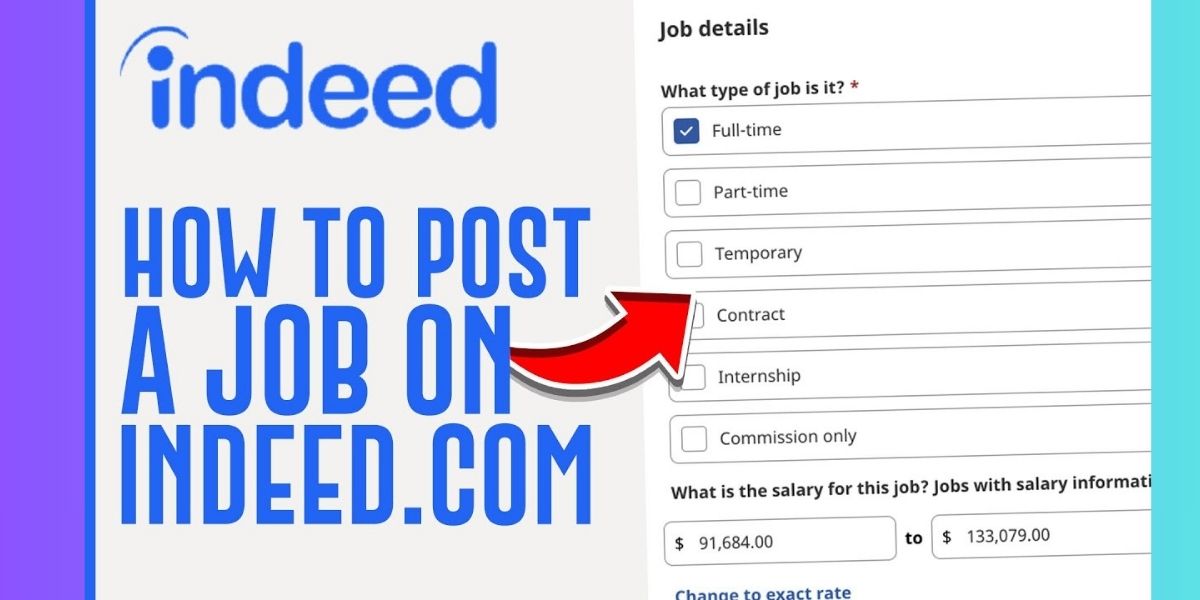
The basic flow is simple: you create a job post, choose whether it’s free or sponsored, then manage applications through the employer interface. Indeed explicitly positions job posting as a flexible entry point and emphasizes screening tools to narrow candidates and an integrated workflow to track, message, invite, and interview.
The important nuance is that not every job behaves the same. Some roles fill from free visibility alone, while others need sponsorship to compete. The best indeed employer operators treat job posts like assets—improving the content, targeting, and workflow so each posting yields better results over time.
Free Job Posts vs Sponsored Jobs
Indeed indicates that many jobs can be posted for free, but free posting features can be limited and are subject to terms, quality standards, and usage limits. In some contexts, certain jobs may be “sponsored only,” which Indeed notes will be made clear in-product.
| Hiring goal | The indeed employer move | Why it works | Common mistake |
|---|---|---|---|
| Fill roles fast | Sponsor the job with a controlled budget | Boosts visibility and applicant flow | Spending without fixing the job ad |
| Improve candidate quality | Add clear requirements + screening | Reduces low-fit applicants | Posting vague “general” ads |
| Reduce admin time | Use Employer Dashboard candidate tools | Centralizes pipeline workflow | Managing hiring in email threads |
| Increase apply rate | Claim and optimize Company Page | Builds trust and intent | Ignoring reviews and branding |
| Source hard-to-find talent | Use resume sourcing (Smart Sourcing) | Direct outreach for niche roles | Only waiting for inbound applicants |
That means the strategic question isn’t “free vs paid” as a philosophy—it’s “how quickly do we need qualified applicants?” If time-to-fill matters, a sponsored approach within indeed employer often outperforms waiting, because visibility is the lever you can control when the market is tight.
Indeed Employer Pricing Explained Without the Jargon
Indeed’s paid job posts are budget-based and results-oriented: you set a budget and incur charges based on performance, typically per click or per started application depending on the budget type and market. Indeed also publishes entry points such as budgets starting at $5/day or $150/month on its pricing page (market-dependent).
This matters because it reframes spend as a funnel investment. If you’re paying for clicks, the job ad must convert views into applications. If you’re paying per started application (PPSA), then your application flow and screening should reduce “curiosity starts” and increase qualified completions—otherwise you pay for noise.
Employer Dashboard: Your Control Center for Multiple Job Posts
Indeed describes the Employer Dashboard as a place to view, manage, and edit job postings in one place—especially useful if you’re hiring for multiple roles or locations. It’s designed to reduce admin overhead by centralizing what would otherwise be scattered across inboxes and spreadsheets.
The operational advantage is consistency. A disciplined indeed employer workflow uses the dashboard to monitor which roles are underperforming, update job content quickly, and maintain a predictable rhythm: review, shortlist, message, schedule, and close. When you standardize that cycle, your hiring process becomes easier to scale.
Candidate Management: Building a Hiring Pipeline You Can Actually Run
Indeed’s candidate management resources describe tools inside the Employer Dashboard that help organize and manage your pipeline, apply filters, and collaborate via notes and feedback. For busy hiring teams, this is the difference between “we have applicants” and “we are moving people through steps.”
A strong indeed employer pipeline has clear stages and clear definitions. You want fast triage (fit vs not fit), fast outreach (same day when possible), and consistent follow-up. Most hiring delays are not caused by a lack of applicants—they’re caused by slow internal movement and unclear next steps.
Job Descriptions That Attract Qualified Applicants Instead of Everyone
The most expensive job post is the one that produces the wrong applicants. If you write vague responsibilities and generic requirements, you’ll get volume but not quality—then you’ll spend time filtering and money boosting visibility for a message that doesn’t target the right people. Indeed’s hiring guidance emphasizes customization and screening to narrow candidate pools.
The simplest upgrade is specificity: define the work, define success, define schedule expectations, and define must-haves vs nice-to-haves. In indeed employer, clarity functions like a filter before the filter: it prevents low-fit candidates from applying and helps high-fit candidates self-select in.
Screening Tools and Knockout Questions That Don’t Backfire
Screening can improve quality, but it can also destroy conversion if you overdo it. The best approach is minimal friction with high signal: a few essential questions that protect you from deal-breakers (license, shift availability, required skills), then let qualified candidates apply quickly. Indeed’s employer materials highlight screening tools as a way to narrow potential candidates.
The indeed employer mindset here is “filter the non-starters, not the maybes.” If you try to perfectly screen for top talent at the application stage, you often lose good candidates to faster employers. Save nuanced evaluation for interviews and work samples, and use screening only to prevent obvious mismatch.
Company Pages: The Underused Lever That Increases Apply Rate
Every employer with jobs on Indeed automatically has a Company Page, and Indeed encourages employers to claim and update it to promote workplace culture. This isn’t just cosmetics—Indeed’s guidance notes that job seekers who visit a Company Page are, on average, more likely to apply (Indeed cites a 3.2X figure in its hiring resources).

This is where indeed employer becomes a brand channel. Candidates don’t just evaluate the role; they evaluate risk. Your Company Page reduces risk by answering “What’s it like to work there?” with real signals: mission, values, photos, benefits, and review patterns. When those signals are strong, your job posts convert better even at the same budget.
Employer Reviews: Managing Reputation Without Gaming the System
Indeed explains that employer reviews come from current and former employees and that reviewers rate employers across categories like work-life balance, pay and benefits, job security and advancement, management, and culture. These reviews influence who applies and how quickly candidates commit to interviews.
The smart indeed employer play is not to obsess over one rating—it’s to track themes and fix root causes. If scheduling fairness is a consistent complaint, address scheduling. If advancement feels unclear, define growth paths. Reputation improves when reality improves, and reality improvements raise both retention and hiring conversion.
Smart Sourcing: When Waiting for Applicants Isn’t Enough
For hard-to-fill roles, inbound applications can be too slow or too shallow. Indeed’s Smart Sourcing product positions itself as a resume sourcing and outreach tool, and it publishes pricing examples such as Standard and Professional subscription tiers with monthly contact limits.
Used well, indeed employer sourcing is a precision tool: you define the profile, search resumes, and send targeted outreach to candidates who already match your must-haves. The key is personalization and speed—generic blast messages get ignored, while short, relevant outreach paired with fast scheduling wins.
A Quote That Should Guide Your Whole Indeed Employer Strategy
A useful mental model for indeed employer is to treat hiring like a conversion funnel: visibility creates views, views create starts, starts create completed applications, and completed applications create hires. Indeed’s own pricing guidance reinforces that paid job posts are driven by results and the budget type you select.
“The charges you incur for your paid job post will depend on the budget type you select.”
The Metrics That Matter More Than “Number of Applicants”
The weakest metric in hiring is raw applicant count. A high applicant count can mean your ad is unclear, your targeting is wrong, or your compensation is misaligned with expectations. The best indeed employer teams track funnel metrics that explain outcomes: impressions, clicks, started applications, completed applications, qualified applicants, interview show rate, and time-to-hire.
When you track the funnel, you can diagnose problems quickly. Low clicks means visibility or relevance. High clicks but low applies means the job post content or apply flow is weak. High applies but low quality means your requirements and screening aren’t doing their job. This is how you turn hiring from guesswork into optimization.
Common Mistakes Employers Make on Indeed
The most common mistake is spending money to amplify a weak job ad. If your headline is generic, your requirements are unrealistic, or your pay is uncompetitive, sponsorship doesn’t fix the fundamentals—it just buys more of the wrong traffic. Indeed’s platform guidance repeatedly points back to customizing job ads and using screening tools to narrow candidates.
Another frequent mistake is slow follow-up. Candidates apply to multiple roles at once; whoever responds first often wins. A strong indeed employer workflow prioritizes same-day outreach for top matches, short scheduling windows, and clear next steps—because speed is a competitive advantage in modern hiring markets.
Conclusion: How to Win with Indeed Employer Without Wasting Budget
If you treat indeed employer like a simple job board, you’ll get mixed results—sometimes good, sometimes frustrating. If you treat it like a system, you can control outcomes: optimize job content, choose a pricing model that matches your urgency, manage candidates in one place, and build a Company Page that reduces candidate hesitation.
The real advantage is compounding improvement. Each hiring cycle teaches you what converts in your market—titles, pay bands, screening, messaging speed, and branding signals. When you feed those learnings back into your next posting, indeed employer becomes less like “post and pray” and more like a repeatable hiring engine.
FAQ
How do I log in to Indeed Employer and manage job posts?
Use the indeed employer dashboard login to manage job posts, find resumes, and work with candidates in one place.
Is posting a job on Indeed Employer free?
Many jobs can be posted for free, but feature availability for free posts can be limited and some jobs may be “sponsored only” depending on conditions and category.
How does Indeed Employer sponsored pricing work?
Indeed employer sponsored pricing is budget-based, and charges depend on your selected budget type and market—commonly per click or per started application.
What is the Employer Dashboard used for in Indeed Employer?
The indeed employer Employer Dashboard helps you view, manage, and edit job posts, and it supports pipeline workflow through candidate management features.
How do I claim my Indeed Employer Company Page?
Every employer with jobs on Indeed has a Company Page, and you can claim and update it to improve employer branding and candidate trust.
What do Indeed Employer reviews measure?
Indeed employer reviews come from current and former employees and include ratings across categories such as work-life balance, pay and benefits, job security and advancement, management, and culture.