

Arnold Palmer Tea: Arnold Palmer tea sits in that rare category of drinks that feel both effortless and oddly personal. It’s simple on paper—iced tea plus lemonade—yet everyone has a “right” version in their head: lighter on the lemon, heavier on the tea, extra tart, barely sweet, or sweet enough to taste like summer at first sip. That’s why this guide goes deeper than a basic recipe and treats the drink like a craftable system you can repeat.
If you came here for the basics, you’ll get them quickly. If you came here because your homemade version tastes watery, bitter, too sour, or “not like the one from the restaurant,” you’ll also get practical fixes. By the end, you’ll know how to build Arnold Palmer tea with intention—choosing tea strength, lemon style, sweetness level, and ice strategy so the final glass stays balanced from the first pour to the last melt.
What Arnold Palmer Tea Is, and Why It Became a Staple
Arnold Palmer tea is the iconic blend of iced tea and lemonade, built to be refreshing without tasting like straight sugar water. The appeal is structural: tea brings tannins and a mild bitterness that reads as “adult,” lemonade brings acidity and brightness that reads as “summery,” and together they create a drink that feels fuller than either component alone. It’s also one of the few beverages that naturally scales, meaning it works as a single glass, a pitcher, or a party dispenser without losing its identity.
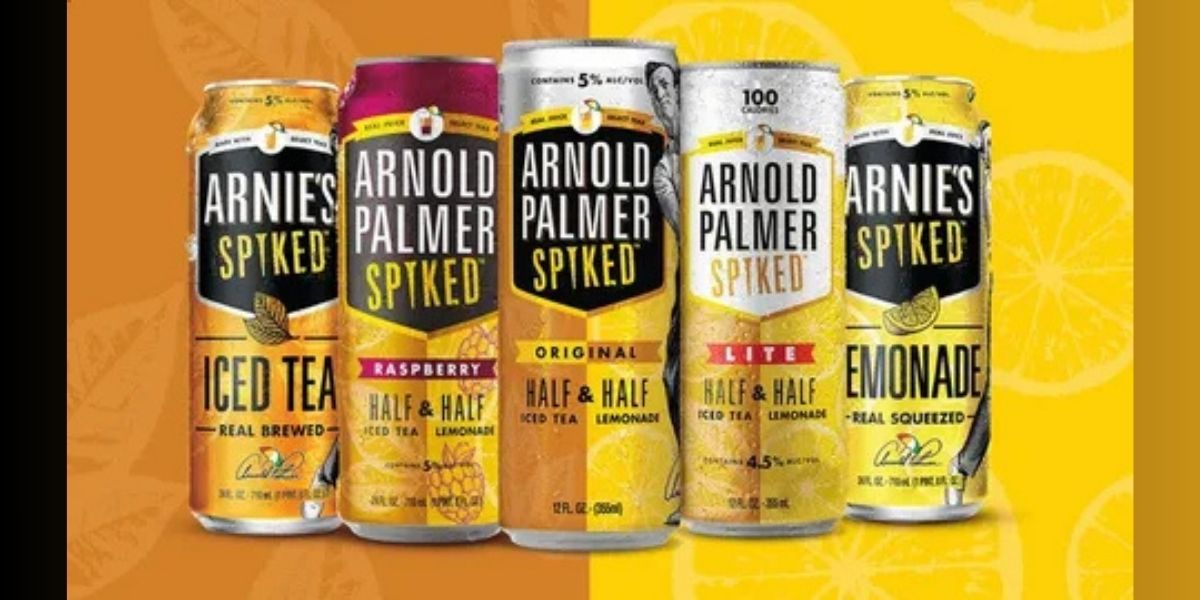
The reason Arnold Palmer tea endures is that it’s forgiving but not sloppy. You can approximate it and still get something enjoyable, but small improvements compound fast. Stronger tea prevents the drink from tasting thin, fresher lemon prevents it from tasting flat, and a deliberate sweetener choice keeps it from reading cloying. That’s the hidden reason people keep searching for it: the drink is easy, but a great version feels like a little victory.
The Origin Story That Matters for Taste, Not Trivia
The drink is associated with Arnold Palmer because it reflects how many athletes and golfers actually drink: they want refreshment and hydration without the heaviness of a soda. The core idea—mixing tea and lemonade—existed in different forms for years, but Palmer’s name turned it into a recognizable order. That “orderability” matters because it created a shared expectation: when you ask for it, people know what you mean, which is half the reason it became a cultural default.
The practical takeaway is that the drink’s identity is built around balance. It’s not meant to be lemonade with a tea tint, and it’s not meant to be iced tea with a squeeze of lemon. Arnold Palmer tea is a deliberate blend, and the best versions feel like a midpoint where neither component dominates. If your glass tastes like only one thing, you’re not “wrong,” but you’re not getting the full experience the drink is designed to deliver.
The Only Ratios You Need to Know to Nail It Every Time
Most home versions fail because the ratio is guessed after the fact. A classic Arnold Palmer tea ratio lands between half-and-half and two-thirds tea, one-third lemonade, depending on how sweet and tart your lemonade is. If you’re using a very sweet, bottled lemonade, you typically want more tea to keep the drink from tasting syrupy. If you’re using a fresh, sharper lemonade, you can push the balance closer to equal because the acidity stays lively without becoming sticky.
The more “enterprise” way to think about ratio is: decide what you want the drink to lead with. If you want crisp refreshment and lower sweetness, lead with tea. If you want a brighter, dessert-like sip, lead with lemonade. Then adjust the tea strength before you adjust the ratio—because stronger tea lets you keep more lemonade without losing backbone, and that’s how high-quality Arnold Palmer tea stays balanced even as ice melts.
Choosing the Tea: Black, Green, or Herbal and What Each Changes
Black tea is the traditional backbone because it holds up under dilution and still tastes like something after the ice does its job. It gives that “snap” that keeps Arnold Palmer tea from drifting into lemonade territory. If you prefer a softer profile, green tea can work beautifully, especially when the lemonade is more tart than sweet. It creates a lighter, cleaner drink that feels less tannic and more spa-like, but it also demands gentler brewing to avoid grassy bitterness.
Herbal tea can be delicious, but it changes the definition of the drink. When you use hibiscus, mint, peach, or berry blends, you’re effectively making a flavored Arnold Palmer tea variation. That’s not a bad thing—some versions are excellent—but you should treat them as new recipes with new ratios. Herbal blends often carry natural acidity or sweetness, which interacts with lemonade differently than black tea does, so you’ll typically need either a less sweet lemonade or a slightly higher tea-to-lemon ratio to keep the finish clean.
Brewing Tea for Iced Drinks Without Bitter Regret
The most common mistake is brewing iced tea like hot tea and then shocking it with ice. When you brew too hot for too long, you extract harsh tannins, and lemonade highlights that bitterness instead of hiding it. The fix is straightforward: either brew hot but shorten the steep time and cool quickly, or use a cold-brew method that naturally produces a smoother base. If your Arnold Palmer tea tastes “dry” or “astringent,” it’s almost always a brewing issue rather than a lemonade issue.
A second issue is concentration. Iced drinks need stronger tea than hot cups because you’re diluting with both lemonade and ice. A strong tea base should taste slightly too bold on its own, so that once mixed, it lands in the pleasant zone. If you’re chasing restaurant-style Arnold Palmer tea, this is the behind-the-scenes secret: restaurants don’t typically use weak tea, because weak tea turns into lemon-sweet water the moment ice enters the chat.
Lemonade Options: Fresh, Store-Bought, or “Cheater” Concentrate
Fresh lemonade gives you the most control, and control is what makes a repeatable drink. When you squeeze lemons, you can tune tartness and sweetness precisely, and that lets you choose your ideal tea-to-lemon balance without surprises. Fresh lemonade also tastes brighter and less “cooked,” which matters because tea already has darker notes—brightness is what keeps the blend refreshing.
Store-bought lemonade is convenient and can be excellent, but it varies wildly by brand. Some are aggressively sweet, some are sharply acidic, and some taste flat because the lemon flavor is muted. If you use bottled lemonade, treat your first glass like calibration: pour a small amount, taste, then adjust. You can still make excellent Arnold Palmer tea this way, but the path is “measure and respond,” not “assume it’s balanced.”
Sweetness Strategy: Sugar, Honey, Simple Syrup, and Zero-Cal Choices
Sweetness is where most versions go from refreshing to tiring. Granulated sugar works, but it dissolves poorly in cold liquids unless you use simple syrup. Simple syrup is the professional move because it blends instantly and gives you precision—small increments change the finish without adding graininess. Honey can add a floral note that pairs well with lemon, but it needs dissolving help; it’s best mixed into warm tea first, then cooled.
If you’re using low- or no-cal sweeteners, keep the objective clear: you want clean sweetness that doesn’t linger artificially after the tea’s tannins. Some sweeteners amplify bitterness; others create an aftertaste that competes with lemon. The best approach is to sweeten the lemonade component rather than the entire mixed drink, because lemonade is the “sweet carrier” in Arnold Palmer tea, and concentrating sweetness there keeps the tea tasting like tea.
Ice, Dilution, and the Secret to a Glass That Stays Balanced
Ice is not neutral. It’s an ingredient that changes the drink minute by minute. If your Arnold Palmer tea tastes perfect for the first five sips and then becomes watery, your issue is usually dilution rather than ratio. The fix is to chill both components before mixing, use larger ice cubes, or use tea ice cubes to prevent the tea profile from fading. Even a simple move—chilling the pitcher before pouring—can preserve flavor.
There’s also a temperature perception effect. Cold drinks taste less sweet and less bitter than warm ones, which can trick you into oversweetening. If you sweeten aggressively while the drink is warm, the final iced version can become heavy and cloying. When building Arnold Palmer tea for a group, aim slightly less sweet in the pitcher, then allow individuals to add sweetness in-glass if they want it. That keeps the base universally drinkable.
The Best Classic Recipe for Arnold Palmer Tea at Home
For a dependable classic, start with strong iced black tea and a lemonade that tastes slightly brighter than you’d drink alone. Combine them in a ratio that fits your preference, then taste and adjust with tiny steps. If you want the drink to be crisp and “tea-forward,” build more tea and less lemonade. If you want it to feel like a sunny, sweet refresher, bring the ratio closer to equal, but compensate with stronger tea so it doesn’t fade.

The most repeatable method is to standardize the tea strength first. Brew a batch where the tea alone tastes intentionally bold, cool it fully, then blend. Once the tea base is consistent, the ratio becomes a simple dial you can turn for different moods. This is how you make Arnold Palmer tea feel reliable—like you can hit the same flavor profile on demand rather than hoping your glass lands in the right zone.
Flavor Variations That Still Respect the Original Drink
The best variations don’t overwhelm the core; they nudge it. A peach Arnold Palmer tea variation works because peach plays nicely with black tea and complements lemon without fighting it. Mint works because it adds perceived freshness without adding sugar. Ginger works because it emphasizes the drink’s brightness and gives a mild heat that makes the finish more interesting. These variations feel like upgrades, not costume changes.
The key is restraint. Add your flavor as an accent, not a replacement. If you dump in too much syrup or fruit puree, the drink stops being Arnold Palmer tea and becomes a fruit punch with tea. A good rule is: you should still be able to identify tea and lemonade clearly on the first sip. If you can’t, the variation took over, and you should rebalance by increasing tea strength or reducing added sweetness.
Ordering at Restaurants Without Getting a Disappointing Glass
When you order this drink out, the most common disappointment is sweetness. Many restaurants use sweet tea plus lemonade, which can be enjoyable but can also become intensely sugary. If you prefer a cleaner finish, ask for unsweet tea with lemonade, then request sweetener on the side if needed. This gives you control and helps avoid the “one sip is enough” problem that happens when sweetness stacks up.
If you’re chasing a specific style, be explicit. You can say you want it tea-forward, or you want it closer to half-and-half, or you want extra lemon. Restaurants understand that the drink is customizable because it’s a blend, not a fixed bottled product. The more clearly you articulate what you want, the more likely your Arnold Palmer tea arrives tasting like your version of “right.”
Caffeine, Hydration, and When It’s a Good Choice
Caffeine in Arnold Palmer tea depends on the tea base. Black tea typically brings moderate caffeine, green tea tends to bring less, and herbal brings none unless it contains caffeinated ingredients. Lemonade adds sugar (unless sugar-free), which can feel energizing short term and tiring later depending on your sensitivity. If you’re drinking it as a casual refreshment, a moderate caffeine profile is usually part of the appeal.
From a hydration standpoint, it’s a reasonable option, but it’s still a flavored beverage. If your lemonade is very sweet, you’re consuming a meaningful amount of sugar, and that changes how the drink feels as you continue. A smart “daily drink” approach is to make a lighter version: more tea, less lemonade, and a controlled sweetener strategy. Done that way, Arnold Palmer tea can be refreshing without feeling like dessert.
Nutrition and Sugar: Making It Lighter Without Making It Sad
People often assume the only way to reduce sugar is to abandon flavor. That’s not true if you adjust the right levers. You can reduce sugar by using unsweet tea, a tart lemonade with less added sweetener, and a higher tea ratio so the drink stays satisfying. You can also use lemon juice plus sparkling water plus a touch of sweetener to create a lemonade-like effect with fewer calories, then blend with tea for a lighter, effervescent variation.
The other lever is perceived sweetness. Cold temperature, citrus aroma, and a small pinch of salt can make a drink taste sweeter without more sugar, because they amplify flavor and reduce bitterness. If you’re building Arnold Palmer tea for frequent use, aim for “bright and clean” rather than “sweet and thick.” That style stays enjoyable across an entire glass and doesn’t fatigue your palate.
A Practical Comparison Table for Home, Party, and “Grab-and-Go” Versions
Choosing your build style depends on your use case. A single glass rewards precision and experimentation. A pitcher rewards stability and predictability. A grab-and-go version rewards simplicity and speed. The table below keeps those trade-offs clear so you can pick the right approach without overthinking it.
| Build style | Best for | Flavor control | Effort level | Common failure mode | Easy fix |
|---|---|---|---|---|---|
| Single glass | Testing your ideal ratio | High | Low | Too much lemonade | Add stronger tea, not water |
| Pitcher batch | Parties, meal prep | Medium to high | Medium | Dilution over time | Pre-chill components, use large ice |
| Cold-brew tea base | Smooth, low bitterness | High | Medium | Too weak if under-steeped | Increase tea amount or steep time |
| Bottled lemonade + brewed tea | Convenience | Medium | Low | Too sweet | Increase tea ratio, use unsweet tea |
| Sparkling “light” version | Low sugar, refreshing | Medium | Medium | Flat citrus flavor | Add fresh lemon zest or a squeeze |
Use the table as a decision tool, not a rulebook. The point is repeatability. When your method matches your context, Arnold Palmer tea becomes easy to make well, not just easy to make.
Common Mistakes and How to Fix Them Fast
If your drink tastes bitter, the tea is over-extracted or too hot-brewed for too long. Shorten steep time, reduce water temperature slightly, or shift to cold brew. If your drink tastes watery, your tea is too weak or your ice is melting too fast. Strengthen the tea, chill everything before mixing, and consider using tea ice cubes.
If your drink tastes “flat,” it needs acidity or aroma. Fresh lemon helps, and a small amount of lemon zest can elevate the perception dramatically. If it tastes “too sour,” your lemonade is too sharp or you used too much lemon relative to sweetness; add tea and a tiny amount of sweetener rather than dumping in more water. Fixing Arnold Palmer tea is usually about adjusting strength, not volume.
The One Quote That Captures Why This Drink Works
There’s a reason this drink feels bigger than its parts. In a good glass, tea brings structure, lemonade brings lift, and together they create balance you can feel instantly. As Arnold Palmer himself famously put it:
That simple statement is the whole philosophy: it’s not a novelty drink, it’s a preference. And the best Arnold Palmer tea tastes like a preference that’s been refined, not improvised.
Pairing Arnold Palmer Tea with Food Like You Meant It
This drink is surprisingly food-friendly because it carries both tannin (like a light tea tannin bite) and acidity (like a citrus squeeze). That means it works with rich foods by cutting through fat, and it works with spicy foods by cooling heat without adding heavy dairy. It’s especially strong alongside grilled items, fried foods, sandwiches, and summer plates where brightness matters.

The pairing trick is to match sweetness to the meal. If the food is already sweet or sauced, keep your Arnold Palmer tea less sweet so the whole meal doesn’t become sticky. If the food is salty, smoky, or spicy, you can allow a touch more sweetness in the drink because it will feel like relief rather than overload. Treat it like a balancing beverage, not just a refreshment.
Hosting and Batch Prep: How to Serve It at Scale Without Losing Quality
Batching changes everything because time becomes an ingredient. If you make a pitcher and let it sit, the tea can oxidize and taste dull, and ice dilution can weaken it quickly. The best hosting approach is to batch the tea and lemonade separately, chill both, then mix closer to serving time. This keeps the flavor bright and prevents the drink from collapsing into sweet water halfway through the event.
If you want a self-serve station, set it up like a system: a chilled tea container, a chilled lemonade container, and clear guidance on how to combine them. That gives guests control and reduces the risk of a single overly sweet pitcher dominating the experience. A well-run Arnold Palmer tea station is a small luxury—simple, but thoughtful—and people notice.
How to Build a “Signature” House Version That People Remember
Most people don’t remember exact ratios; they remember feeling. Your house version should have a clear identity: tea-forward and crisp, bright and citrusy, lightly sweet and clean, or boldly sweet like a Southern porch drink. Decide your identity, then lock your method so it’s consistent. Use the same tea, brew it to the same strength, and keep your lemonade style consistent. Consistency is what turns a good drink into a “this is how they make it” drink.
A signature twist should be subtle but recognizable. A hint of mint, a touch of peach, a thin slice of lemon and orange, or a small pinch of salt can do it. The objective is not to be clever; it’s to be repeatable. The best Arnold Palmer tea isn’t the weirdest one—it’s the one you can make the same way every time and serve with confidence.
Conclusion: The Balanced Drink You Can Customize Without Breaking
Arnold Palmer tea lasts because it’s a simple idea with a wide sweet spot. It’s refreshing, adjustable, and easy to scale, and it can feel both casual and intentional depending on how you build it. Once you control tea strength, lemonade brightness, sweetness strategy, and dilution, the drink becomes a reliable tool in your kitchen something you can reach for when you want flavor without heaviness.
If you want one mental model to keep: brew stronger tea than you think you need, use lemonade that tastes bright rather than flat, and adjust in small steps. Do that, and Arnold Palmer tea stops being a guess and becomes a repeatable result—exactly the kind of “everyday classic” that earns its reputation.
FAQ
What is the best ratio for arnold palmer tea at home?
A dependable starting point for arnold palmer tea is about half tea and half lemonade, then adjust toward more tea if your lemonade is very sweet or you want a cleaner finish.
Should arnold palmer tea be made with sweet tea or unsweet tea?
Both work, but arnold palmer tea is easier to balance with unsweet tea because you control sweetness through the lemonade and can sweeten in small increments.
How do I keep arnold palmer tea from tasting bitter?
If your arnold palmer tea tastes bitter, shorten the tea steep time, avoid over-hot brewing, and chill the tea fully before mixing so the lemon doesn’t amplify harsh tannins.
Can I make a low-sugar arnold palmer tea that still tastes good?
Yes—make arnold palmer tea with unsweet tea, a tart lemonade with less added sugar, and a slightly higher tea ratio, then fine-tune with a small amount of simple syrup or a preferred sweetener.
What tea works best for arnold palmer tea besides black tea?
Green tea creates a lighter arnold palmer tea with a cleaner finish, and herbal blends can work as flavored variations if you rebalance the lemonade and sweetness to match the tea’s profile.
How far ahead can I prep arnold palmer tea for a party?
For best flavor, prep tea and lemonade separately, chill them, and combine closer to serving; that keeps arnold palmer tea bright and prevents dilution from flattening the taste.