
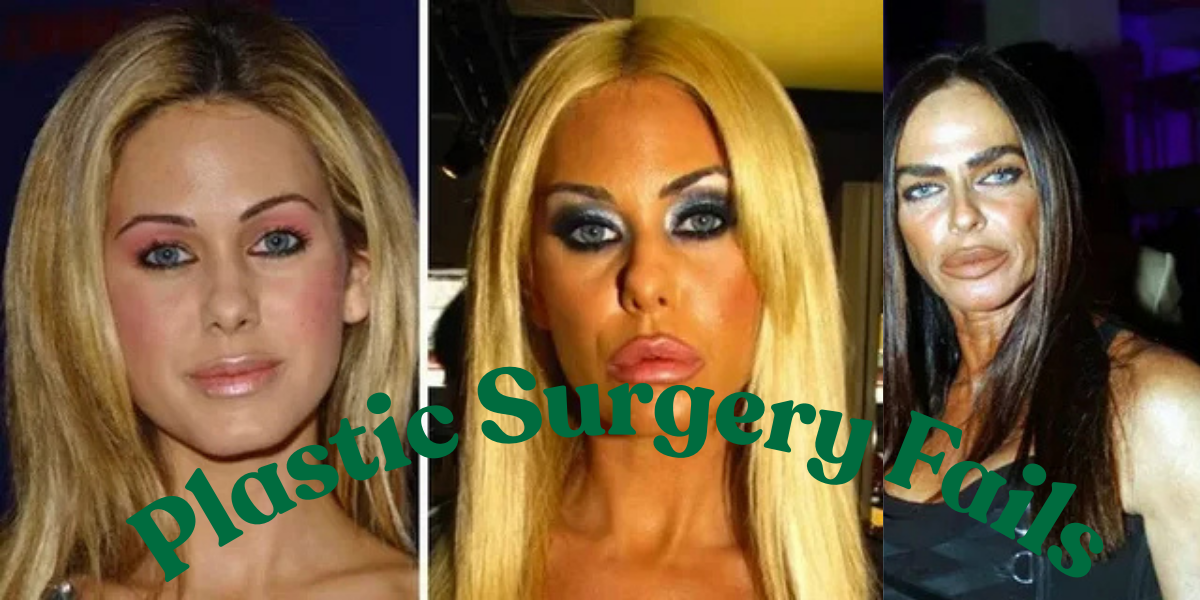
Plastic Surgery Fails: The allure of cosmetic enhancement has never been stronger, driven by social media filters and the normalization of aesthetic procedures. However, alongside the stunning transformations, there lies a shadow industry of botched outcomes and medical complications. While the majority of operations are successful, the phenomenon of plastic surgery fails remains a critical topic for anyone considering going under the knife. Understanding why these failures happen whether due to surgeon error, patient physiology, or unrealistic expectations is the first step toward protecting yourself.
Navigating the world of aesthetic medicine requires more than just scrolling through Instagram photos; it demands a deep understanding of medical accreditation and anatomy. When we discuss failures in this field, we aren’t just talking about vanity; we are talking about life-altering medical events that require serious attention. By examining the anatomy of these errors, patients can arm themselves with the knowledge needed to distinguish between a qualified medical professional and a risky gamble.
Defining the Scope of Surgical Failure
In the medical community, a failure is not always a disaster; sometimes it is a deviation from the expected aesthetic result. A “fail” can range from minor asymmetry or visible scarring to catastrophic health complications like necrosis or nerve damage. It is vital to differentiate between a result that simply didn’t meet a patient’s specific vision and a procedure that was medically mishandled.
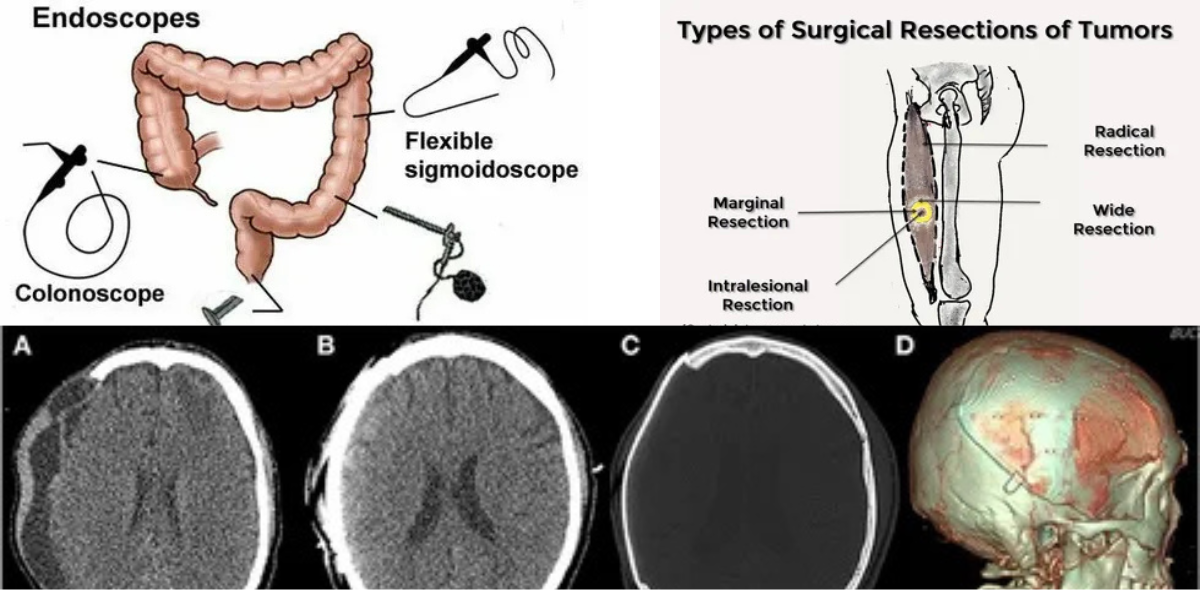
True plastic surgery fails often involve a breach of standard of care, where safety protocols were ignored or surgical techniques were executed poorly. These instances result in functional impairment or severe disfigurement, requiring complex reconstructive work to fix. Understanding this distinction helps patients manage their anxiety and set realistic goals for their own transformative journeys.
The Psychology of Expectations vs. Reality
Patient dissatisfaction is a leading cause of perceived failure in the cosmetic industry. When a patient expects a celebrity-level transformation but has a bone structure or skin quality that cannot support it, the result is often labeled a failure even if the surgery was technically perfect. Surgeons must manage these psychological expectations during the consultation phase to ensure the patient understands the physical limitations of their body.
Body Dysmorphic Disorder (BDD) also plays a significant role in how results are perceived. For individuals suffering from BDD, even a flawless surgical outcome may look like one of the worst plastic surgery fails in the mirror. Ethical surgeons screen for these psychological markers to protect patients from undergoing procedures that will ultimately fail to bring them the happiness they seek.
The Impact of Viral Media on Perception
The internet thrives on shock value, and nothing generates clicks quite like a disastrous cosmetic outcome. We often see sensationalized headlines that skew our perception of risk, similar to how we react to breaking news of a tragedy. For instance, when the public hears about an airplane crash in ny today, the immediate reaction is a spike in fear regarding aviation, despite air travel remaining statistically safer than driving.
Similarly, viral images of botched procedures create a heightened sense of danger that can overshadow the high success rates of board-certified surgeons. While it is crucial to be aware of the risks, relying solely on shock content for research can deter patients from beneficial procedures or, conversely, desensitize them to the very real need for medical due diligence.
The Brazilian Butt Lift: High Reward, High Risk
The Brazilian Butt Lift (BBL) has historically held the title for the most dangerous aesthetic procedure due to the risk of fat embolism. When fat is injected too deep into the muscle, it can enter the bloodstream and travel to the lungs or heart, causing sudden death. This specific complication has been the focal point of many tragic stories regarding plastic surgery fails in the last decade.
In response to these dangers, global plastic surgery societies have issued strict guidelines on injection techniques, drastically reducing mortality rates. However, the risk remains significant when patients seek out unlicensed providers or “chop shops” that prioritize volume over safety. The difference between a safe BBL and a fatal one often comes down to the surgeon’s adherence to anatomy and refusal to overfill.
Rhinoplasty Complications and Revision Rates
Rhinoplasty, or nose reshaping, is widely considered the most technically difficult cosmetic surgery to perform. Because the nose is a complex structure of bone, cartilage, and skin that affects breathing, the margin for error is incredibly small. A “pollybeak” deformity or a collapsed nasal valve are common signs of failed rhinoplasties that compromise both looks and function.
Revision rhinoplasty is even more complex because the surgeon must work with scar tissue and depleted structural support. Patients often undergo multiple surgeries to correct the initial error, turning a one-time procedure into a years-long saga. This high revision rate underscores why choosing a super-specialist for facial procedures is critical to avoiding plastic surgery fails.
The Hidden Dangers of Injectables and Fillers
Non-surgical does not mean non-medical, yet many patients underestimate the risks of dermal fillers. Vascular occlusion occurs when filler is accidentally injected into a blood vessel, cutting off oxygen to the skin and leading to tissue death. If not reversed immediately with an enzyme called hyaluronidase, this can lead to permanent scarring or even blindness.
The proliferation of “med-spas” staffed by inadequately trained injectors has led to a spike in these complications. While often marketed as a lunchtime fix, fillers require a deep knowledge of facial anatomy to avoid hitting critical arteries. Many modern plastic surgery fails are actually the result of non-surgical treatments gone wrong in the hands of unqualified providers.
The Role of Unforeseen Variables in Recovery
Even with a perfect surgeon, the recovery phase introduces variables that can alter the final result. Post-operative infections, hematomas, or poor wound healing can ruin a technically successful surgery. Life is unpredictable; just as a commuter might suddenly encounter a fatal accident on i-96 today, a patient can encounter sudden, unexpected complications during recovery that were not part of the prognosis.
Adhering strictly to post-operative instructions is the patient’s best defense against these variables. Smoking, failing to wear compression garments, or resuming physical activity too soon can compromise blood flow and lead to wound separation. In many cases, what looks like a surgical error is actually a failure of the recovery process.
Breast Implant Illness and Capsular Contracture
Breast augmentation remains one of the most popular surgeries, but it comes with long-term maintenance requirements. Capsular contracture occurs when the scar tissue around the implant tightens and squeezes the implant, causing pain and distortion. This is a biological reaction to a foreign body and constitutes one of the most common mechanical plastic surgery fails.
Breast Implant Illness (BII) is another concern, where patients report systemic symptoms like fatigue and brain fog attributed to their implants. While the scientific community is still studying the exact mechanisms, many women are opting for explant surgery to resolve these issues. Recognizing that implants are not lifetime devices is essential for long-term patient satisfaction.
Medical Tourism and Cross-Border Risks
Traveling abroad for cheaper surgery is a gamble that often ends in heartbreak and financial ruin. While there are talented surgeons worldwide, the lack of standardized regulations in some countries makes it difficult to verify credentials. Returning home with a complication often means local surgeons are hesitant to intervene, leaving the patient in a dangerous medical limbo.
The discipline required to maintain safety standards in a clinic is comparable to military rigor. Just as a fort carson soldier deployment southern border operation relies on strict chains of command and unyielding protocols to ensure mission safety, a surgical facility must operate with absolute adherence to sterilization and anesthesia guidelines. Bargain clinics often cut these corners, leading to higher rates of infection and botched results.
Liposuction Irregularities and Contour Deformities
Liposuction seems straightforward, but aggressive fat removal can leave the skin looking bumpy, rippled, or uneven. These surface irregularities are difficult to smooth out once the structural fat is gone. “Shark bites” or divots in the skin are telltale signs of a surgeon who lacked the finesse to feather the edges of the treatment area.
Furthermore, removing too much fat can damage the vascular network supplying the skin, leading to skin necrosis. Modern technologies like VASER or laser-assisted lipo can help tighten skin, but they also carry burn risks if mishandled. True expertise in body contouring is about knowing what to leave behind, not just what to take out.
Facelifts and the “Windblown” Look
The goal of a modern facelift is to reposition the underlying muscle and fat, not just stretch the skin. Older techniques that relied solely on skin tension often resulted in the dreaded “windblown” look and distorted earlobes. These aesthetic plastic surgery fails are immediately recognizable and can be socially stigmatizing for the patient.
Deep-plane facelifts and other advanced techniques provide more natural longevity but require higher surgical skill. Nerve injury is a rare but serious risk in these deeper dissection planes, potentially leading to temporary or permanent facial paralysis. Patients must vet their surgeons extensively to ensure they are versed in modern, muscle-based techniques.
The Importance of Board Certification
Board certification is the primary filter a patient has against incompetence. In the United States, being certified by the American Board of Plastic Surgery ensures the surgeon has completed rigorous residency training and passed comprehensive exams. Many doctors call themselves “cosmetic surgeons” without this specific certification, leading to confusion and higher risks of plastic surgery fails.
A cosmetic surgeon might be a general practitioner or dermatologist who took a weekend course in liposuction. This lack of formal surgical residency means they may not be equipped to handle emergencies or complex anatomy. Always verifying credentials through the official medical board website is the single most effective safety measure a patient can take.
Anesthesia Awareness and Safety
While patients worry about the scalpel, the anesthesia carries its own set of profound risks. Deep sedation requires an anesthesiologist or a certified nurse anesthetist to monitor vitals constantly. An overdose or an allergic reaction during surgery can be fatal, and clinics that perform surgery without proper accreditation may lack the emergency equipment to resuscitate a patient.
Malignant hyperthermia is a rare genetic reaction to anesthesia that causes a rapid rise in body temperature and muscle rigidity. Accredited surgical centers have specific protocols and drugs on hand to treat this immediately. In unaccredited facilities, this manageable complication can quickly turn into a tragedy.
Revision Surgery: The Path to Correction
Correcting a botched surgery is significantly harder than performing the primary procedure. Scar tissue alters the anatomy, blood supply is compromised, and the psychological stakes are incredibly high. Revision specialists are the elite of the field, often charging double or triple the rates of primary surgery due to the complexity involved in fixing plastic surgery fails.
Patients seeking revision must be patient, as surgeons often require them to wait six to twelve months for tissues to soften and inflammation to subside. Rushing into a revision while the body is still healing can lead to further damage and a compounding of the original error.
Legal Recourse and Malpractice Realities
Proving medical malpractice in the world of cosmetic surgery is notoriously difficult. The patient must prove that the surgeon deviated from the standard of care and that this deviation caused direct harm. Merely hating the aesthetic result is rarely grounds for a lawsuit, which leaves many victims of plastic surgery fails with no financial recourse.
Most reputable surgeons carry malpractice insurance, but many “fly-by-night” operators do not. Additionally, signing consent forms acknowledges the risks of the procedure, which protects surgeons from liability regarding known complications. This legal landscape emphasizes why prevention through careful surgeon selection is far superior to seeking justice after the fact.
The Financial Toll of Corrective Work
Insurance rarely covers cosmetic procedures, and it almost never covers the correction of cosmetic complications. This means that if a patient develops an infection or needs a revision, they are paying out of pocket. The costs associated with fixing plastic surgery fails can easily surpass the price of the original operation, leading to severe financial distress.
Some patients take out high-interest medical loans to pay for their initial surgery, only to find themselves drowning in debt when complications arise. Financial preparedness should include a contingency fund for potential revisions or medical treatments required during recovery.
Red Flags During the Consultation
A consultation should be a medical evaluation, not a high-pressure sales pitch. If a surgeon or their coordinator tries to upsell you on additional procedures or offers “limited time” discounts, walk away. These are hallmarks of a business model that prioritizes profit over patient safety and are often linked to clinics with high rates of plastic surgery fails.
A good surgeon will say “no” more often than they say “yes.” If a surgeon agrees to perform a procedure that you clearly are not a good candidate for, they are acting unethically. Trust your gut; if the facility looks dirty or the staff seems disorganized, these are indicators of the level of care you will receive in the operating room.
Identifying Necrosis and Infection Early
Necrosis, the death of body tissue, is the nightmare scenario for any surgical patient. It usually starts as a darkening of the skin or a purple bruise that won’t go away, eventually turning black. Early detection is crucial; if caught in time, hyperbaric oxygen therapy and wound care can save the tissue and prevent massive plastic surgery fails.
Infections can also escalate rapidly, moving from redness and heat to systemic sepsis. Patients must be vigilant about monitoring their incision sites and reporting any fever or unusual discharge immediately. The “wait and see” approach is dangerous when dealing with aggressive bacteria.
The Role of Technology in Safety
Advancements in 3D imaging and surgical simulation allow patients and surgeons to align on goals before entering the operating room. These tools help manage expectations and allow the surgeon to plan the procedure with greater precision. While technology cannot replace skill, it reduces the communication gaps that lead to dissatisfaction.
Furthermore, intraoperative monitoring systems and advanced sterilization techniques have made modern surgery safer than ever. However, technology is only as good as the human operating it. High-tech equipment in the hands of an unskilled provider will not prevent plastic surgery fails.
Cultural Trends and Homogenization
The “Instagram Face” trend has pushed many patients to request features that may not suit their ethnicity or facial balance. Surgeons who adopt a cookie-cutter approach to every face risk stripping patients of their unique identity. A successful surgery preserves the essence of the patient while enhancing their features, rather than manufacturing a clone.

This homogenization can lead to regret years down the line when trends shift. What looks fashionable today might look bizarre in a decade. Avoiding trend-based surgery is a key strategy in preventing long-term dissatisfaction and the feeling that the procedure was a failure.
Comparative Analysis: Surgical Risks vs. Daily Hazards
The following table provides a perspective on risk, comparing surgical complications to other life events to contextualize the rarity and severity of plastic surgery fails.
| Risk Category | Event / Complication | Estimated Probability | Context & Insight |
| Surgical Safety | Major Complication in Ambulatory Surgery | ~0.5% to 1.0% | While generally safe, the risk increases significantly with non-accredited facilities or combined procedures (e.g., Mommy Makeover). |
| Aviation | Commercial Airline Incident | 1 in 11 million | Fear of flying is high, much like surgical anxiety. News of an airplane crash in ny today would dominate headlines, yet flying remains statistically safer than walking across the street. |
| Traffic | Fatal Car Accident | 1 in 107 (Lifetime) | Daily commuting carries higher statistical lethality than most cosmetic surgeries. A fatal accident on i-96 today is a tragic but common probability compared to anesthesia death. |
| Cosmetic Specific | BBL Fat Embolism (Current) | 1 in 15,000 | Once 1 in 3,000, improved guidelines have lowered this. However, it remains the deadliest aesthetic procedure when safety protocols are ignored. |
| Procedural | Hematoma (Facelift) | ~2% to 4% | The most common complication of facelifts. High blood pressure is the primary trigger, making pre-op health management crucial. |
Industry Insight
“The difference between a successful outcome and a tragedy often lies in the word ‘no.’ A surgeon’s willingness to refuse a patient who is physically or psychologically unfit for surgery is the ultimate marker of integrity. Plastic surgery fails are frequently born in the consultation room, long before the scalpel ever touches the skin.”
Conclusion
The decision to alter one’s body is profound and carries inherent risks that must be respected. Plastic surgery fails are rarely the result of bad luck alone; they are often a culmination of poor choices, lack of regulation, and unrealistic expectations. By understanding the gravity of these medical procedures, patients can strip away the glamour of social media and approach aesthetic medicine with the caution it deserves.
True safety lies in education, accreditation, and the willingness to walk away from red flags. Whether it is a rhinoplasty, a BBL, or a simple filler injection, the priority must always be health over aesthetics. When patients prioritize safety and select board-certified experts, they drastically reduce the odds of becoming a cautionary tale.
FAQ
What are the most common signs of an impending plastic surgery fail?
The earliest warning signs often appear during the recovery phase. Intense, disproportionate pain that does not respond to medication, skin discoloration that turns purple or black (indicating necrosis), and excessive heat or redness around the incision site are critical red flags. If you notice asymmetry that seems to be worsening rather than improving as swelling goes down, you should contact your surgeon immediately to rule out a hematoma or fluid collection.
Can all plastic surgery fails be fixed with revision surgery?
Unfortunately, not every botched result can be fully restored to its original state. While skilled revision specialists can significantly improve appearance and function, severe cases involving massive tissue loss or extensive scarring may have permanent limitations. The goal of revision is often improvement rather than perfection, and patients must manage their expectations realistically when seeking to correct a past surgical error.
Can all plastic surgery fails be fixed with revision surgery?
Unfortunately, not every botched result can be fully restored to its original state. While skilled revision specialists can significantly improve appearance and function, severe cases involving massive tissue loss or extensive scarring may have permanent limitations. The goal of revision is often improvement rather than perfection, and patients must manage their expectations realistically when seeking to correct a past surgical error.
How does the location of the clinic impact safety?
The regulatory environment varies wildly by location. A clinic operating in a region with lax medical oversight may not adhere to the same sterilization or emergency transfer protocols as a hospital-based facility. Just as a fort carson soldier deployment southern border operation is safer due to strict oversight and resources, a surgery performed in an accredited surgical center with hospital privileges ensures that if something goes wrong, the necessary life-saving infrastructure is immediately available.
Why do “med spas” seem to have higher complication rates?
Med spas often operate in a gray area of medical supervision, sometimes utilizing nurse injectors or estheticians with limited anatomical training to perform invasive procedures. Without a board-certified plastic surgeon on-site to oversee complications, a simple vascular occlusion from filler can turn into permanent necrosis or blindness. The lack of immediate medical intervention in these settings contributes heavily to the rising statistics of plastic surgery fails.
Is there a national database for checking surgeon malpractice history?
There is no single public “blacklist” for surgeons, which makes research difficult for patients. However, you can check with your state’s medical board to see if a surgeon has had their license suspended or if disciplinary action has been taken against them. It is also vital to search court records in the county where the surgeon practices to see if they have been sued for malpractice, as this is often the only public record of repeated negligence.